It started with a motivated person, an unloved park and an idea.
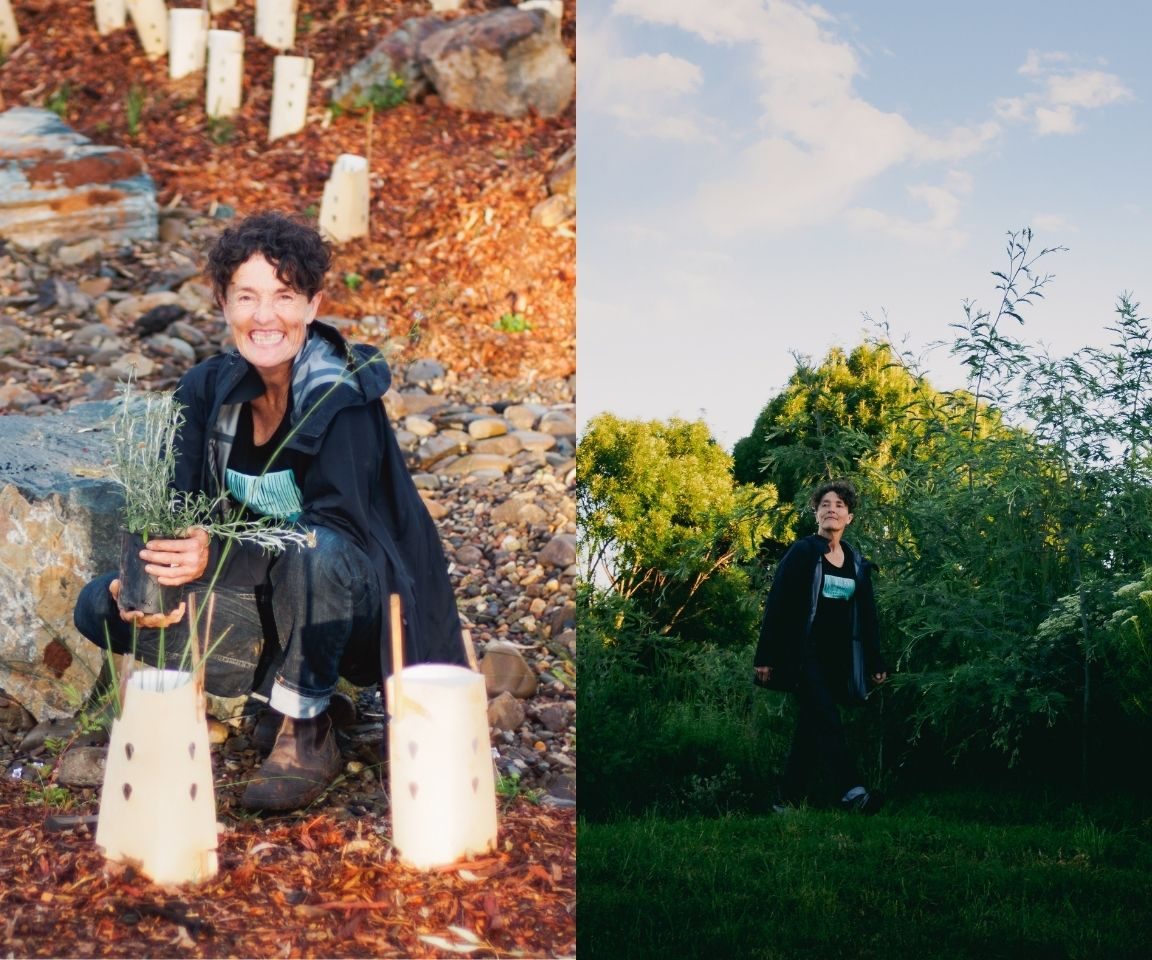
The summer of 2019–20, Australia burned for months. Canberra choked on smoke for weeks. When it cleared, Edwina Robinson had an idea. She'd learned about a Japanese method for growing dense native forests fast, and wondered whether it could work here, with Australian species, in an ordinary suburban park.
She put it to her community. Would they fund it? The answer was a resounding yes, with more than $23,000 raised before a single plant went in the ground.
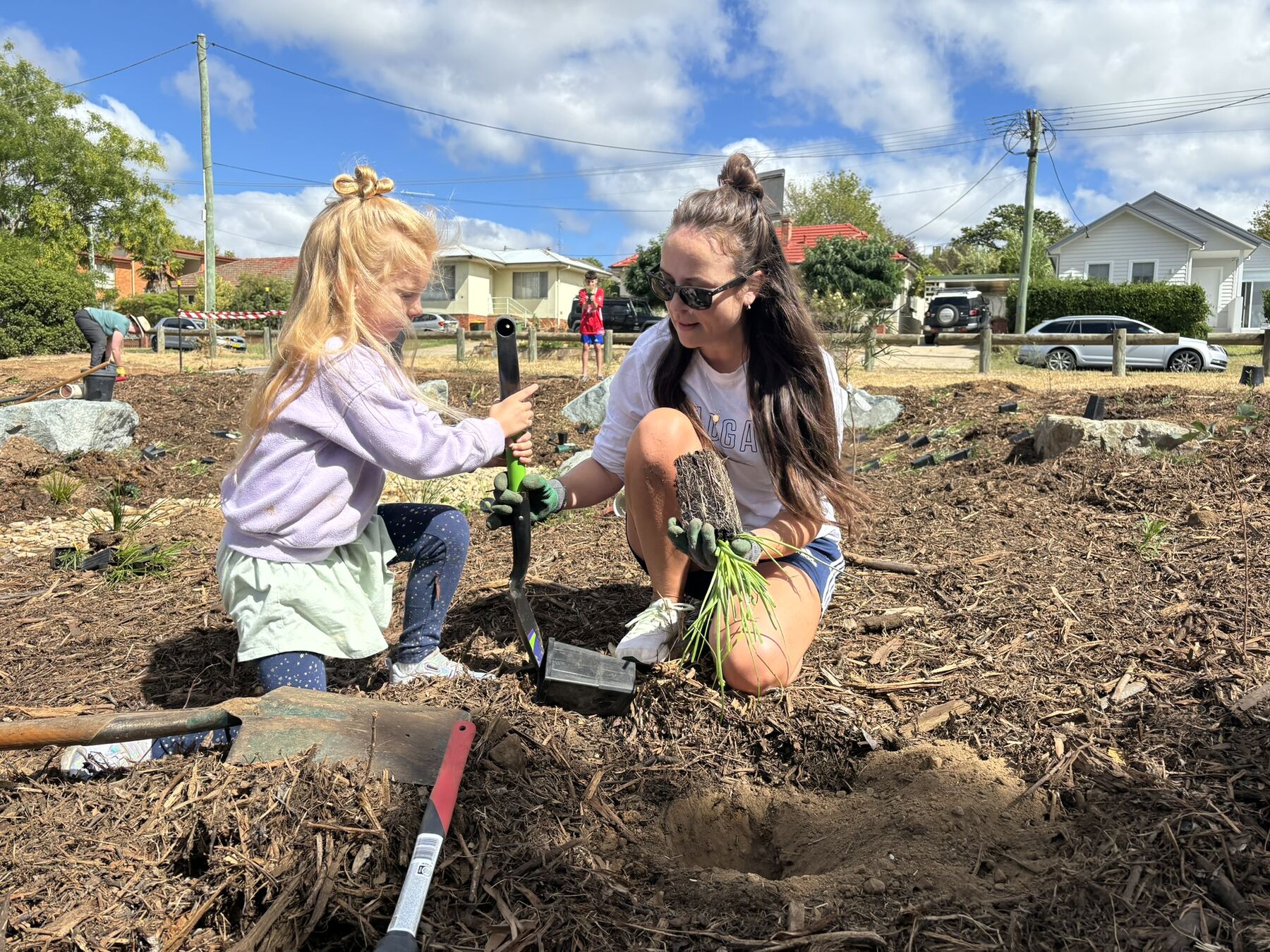
In 2020, 1,800 native plants went into a Canberra dustbowl. Within seven months some had grown three metres tall. Within a year, a couple turned up with a picnic table and a bottle of wine to sit in the forest they'd helped plant.
That was the pilot. And it worked.
"We could do this in my neighbourhood too."
Purdie Bowden lived near a park in Watson. She saw what Edwina had done in Downer and thought the same could happen in her street.
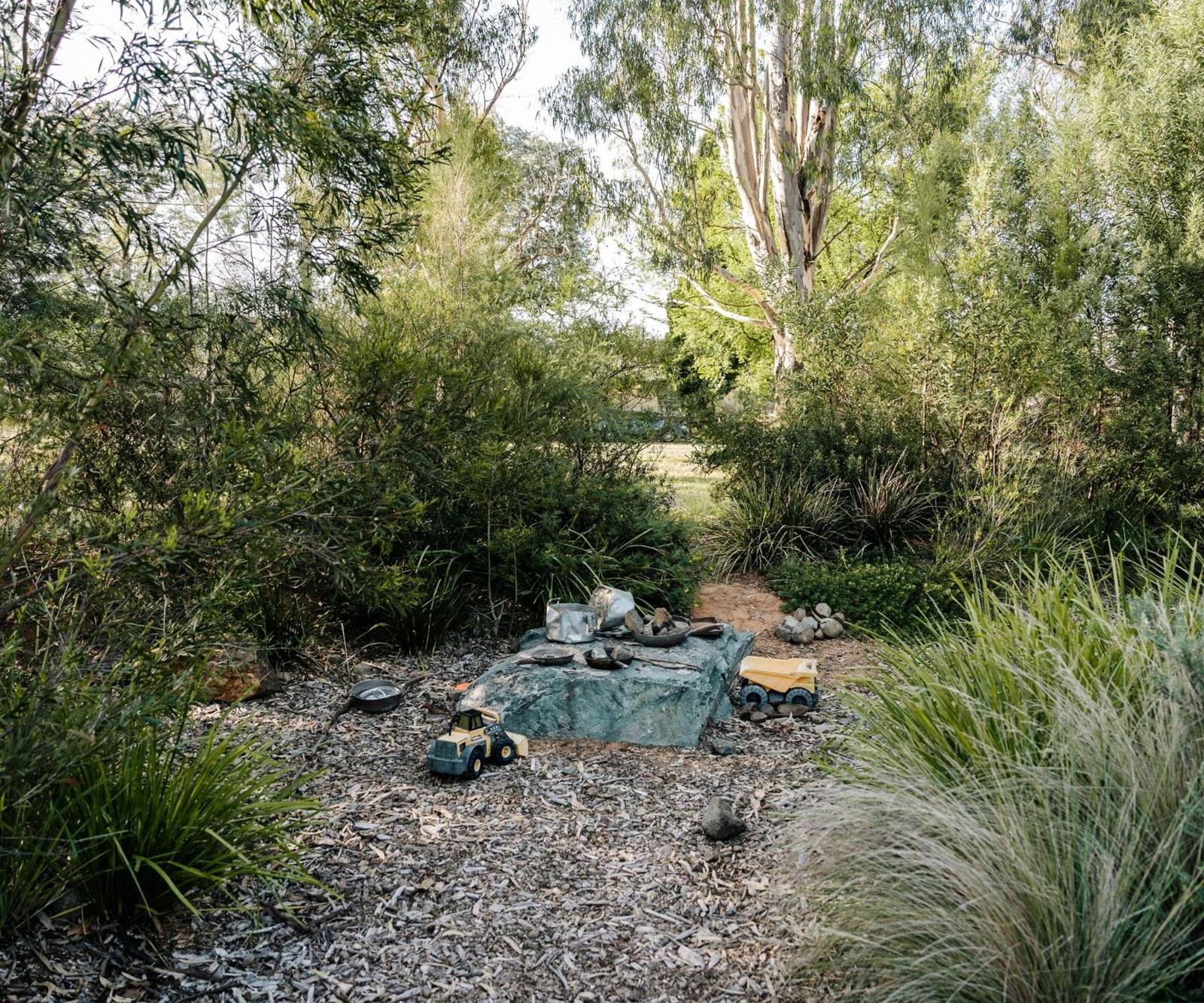
Edwina connected Purdie with Watson local Liz Adcock. They planted the Watson Microforest in 2021, adding nature play, school programs and community co-design.
Mitch Porteous did the same thing in Queanbeyan.
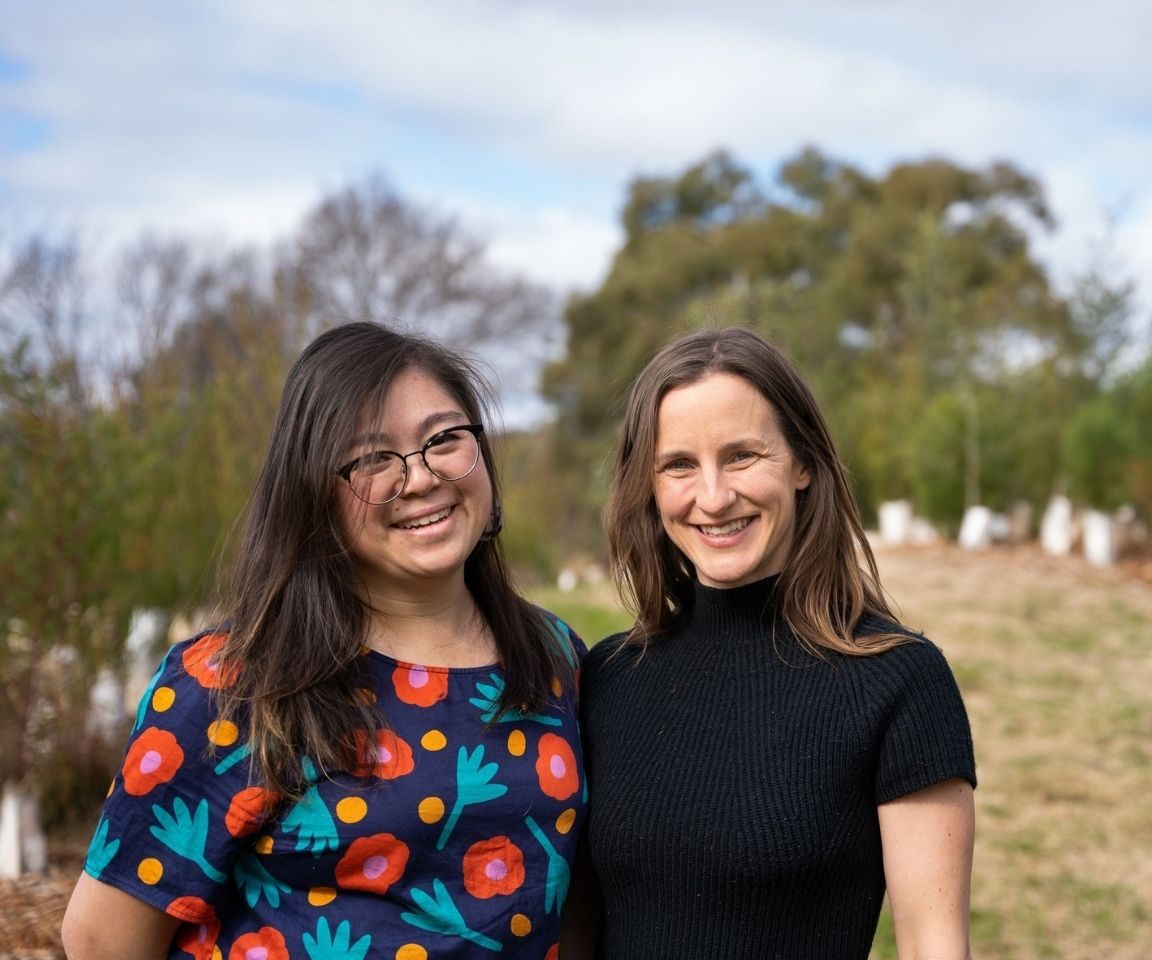
The forests worked. The system around them didn't.
Co-leading the Queanbeyan project gave Mitch a clear view of what was broken. Every new project hit the same walls. Approval processes that took months. Crowdfunding that stalled. Leaders who ran out of steam before the trees were in the ground.
What was needed was infrastructure: shared systems so the next leader didn't have to figure everything out from scratch.
The Queanbeyan Microforest went on to be named a finalist in the Australian Institute of Project Management's 2026 Project Management Achievement Awards.
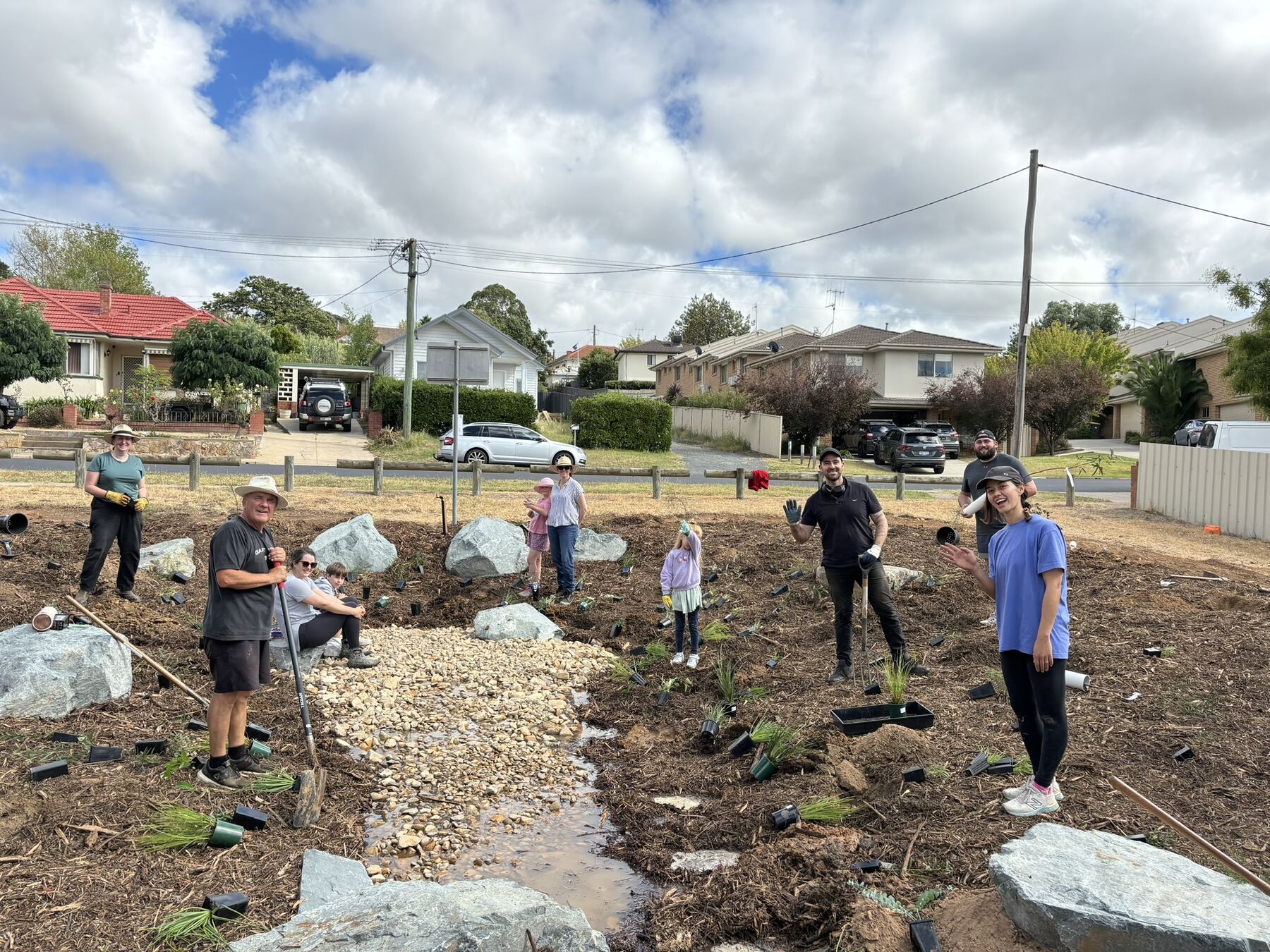
So they built something better.
In 2024, Edwina, Mitch, Purdie, Liz and Jo Abbot founded the Microforest Collective to build it. They recruited three founding directors, Irene Zhen, Jason Perelson and Leisa Quinn, senior leaders who brought governance, credibility and networks the project couldn't have had otherwise.
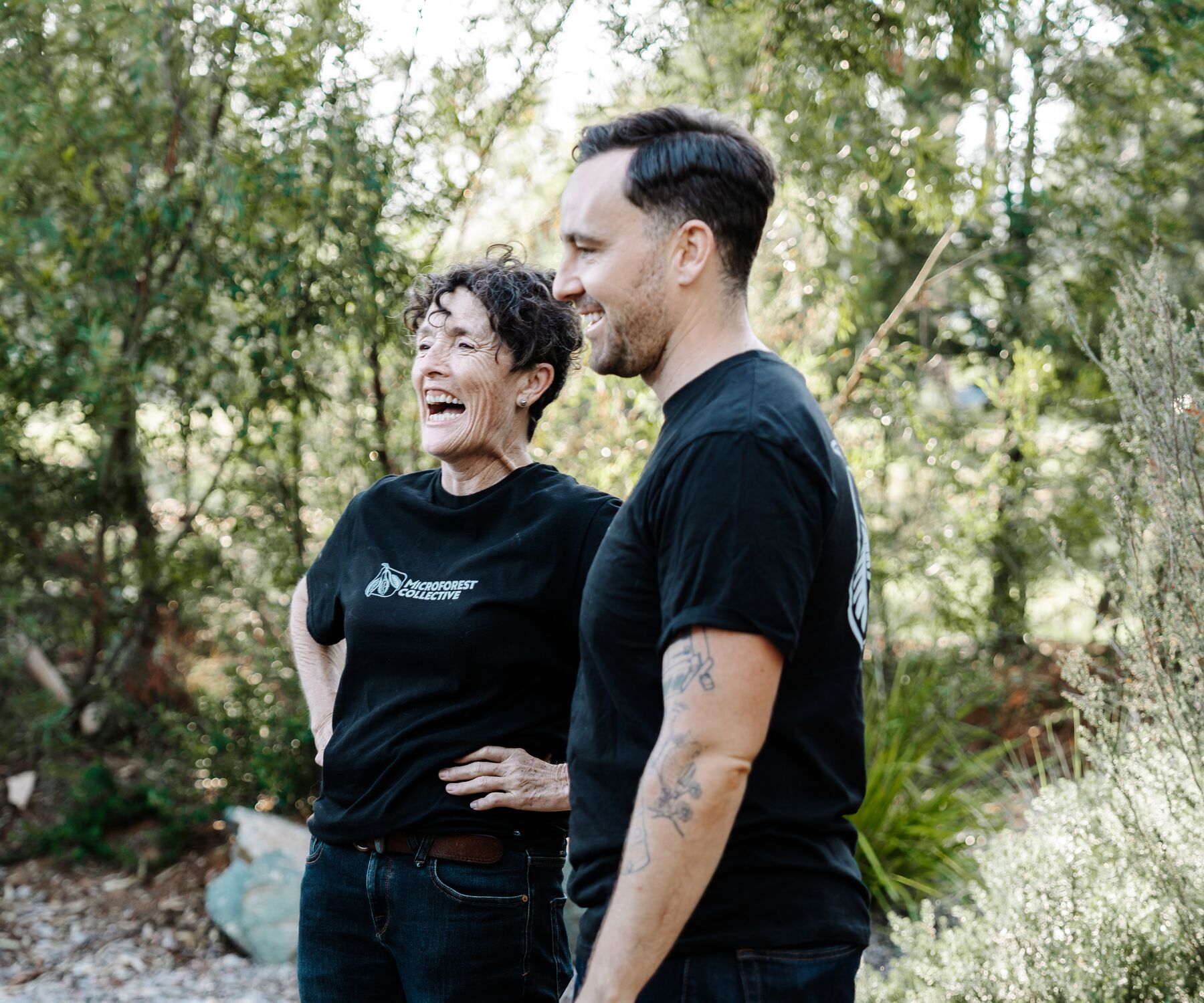
Then the public showed up.
A crowdfunding campaign raised $20,000, proof that the idea had support beyond the people who'd already planted a forest. That funding built the infrastructure that means any leader, anywhere in the country, can get a microforest in the ground.
Wedgetail, a conservation fund, backed the first national schools program. Mitch was accepted into Startmate's Launchclub. And in December 2025, the Microforest Collective became a registered charity with DGR status, so gifts of $2 or more are now tax deductible.
The Collective now supports projects across the ACT, NSW and Victoria, and is looking for leaders and partners to bring microforests to Queensland, South Australia and the Northern Territory.
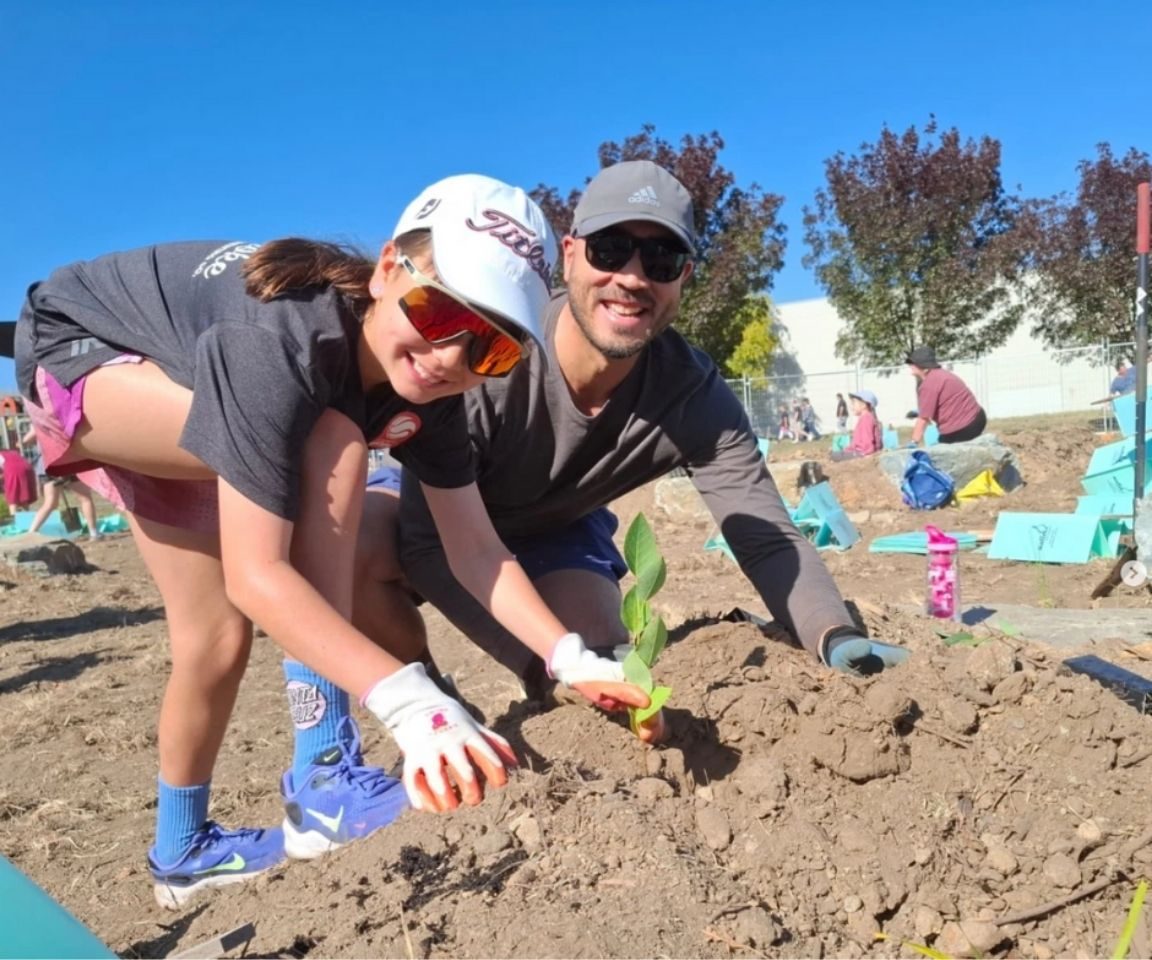
Now we're bringing microforests to every school.
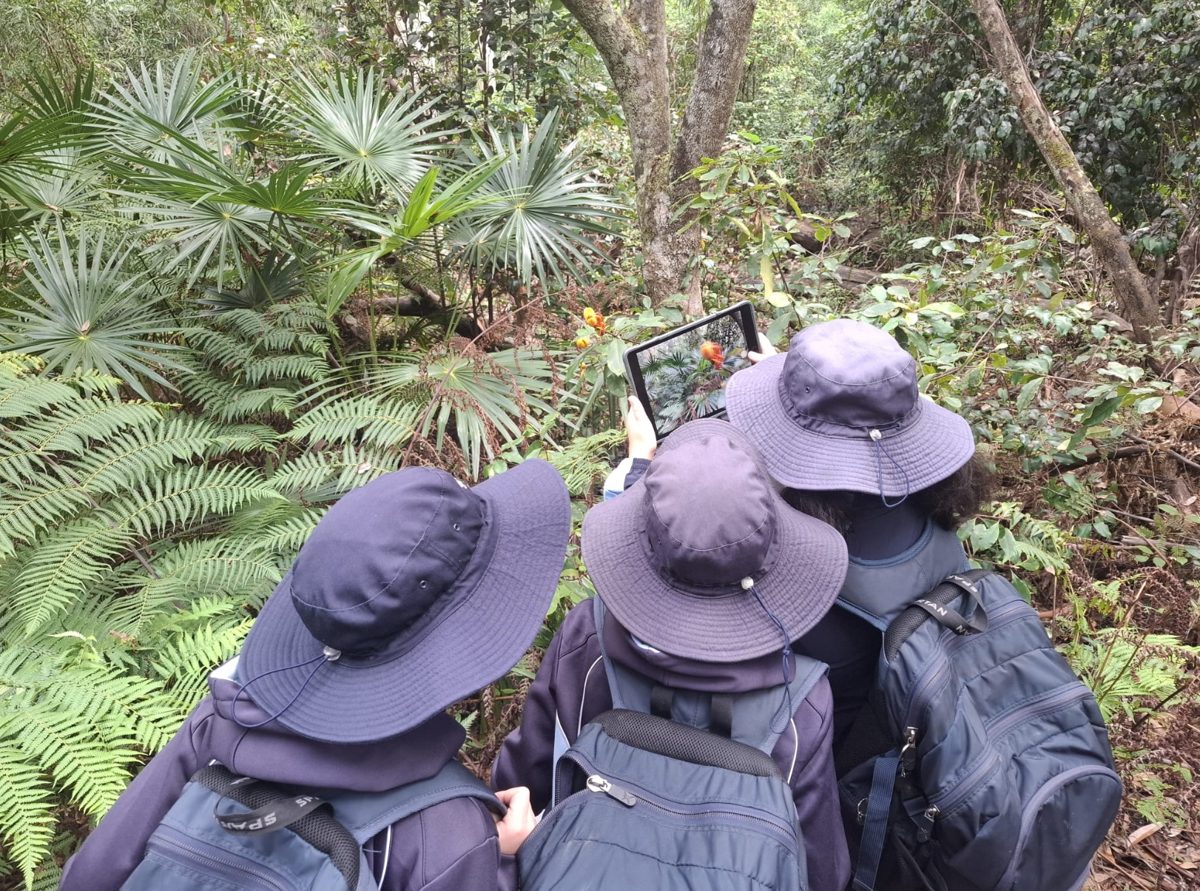
In October 2026 we launched a national schools program. Students plant a microforest at their school, then learn from it all year, with lessons written to the curriculum their teachers already teach. We're starting in the ACT, where schools can register their interest now, with NSW next.
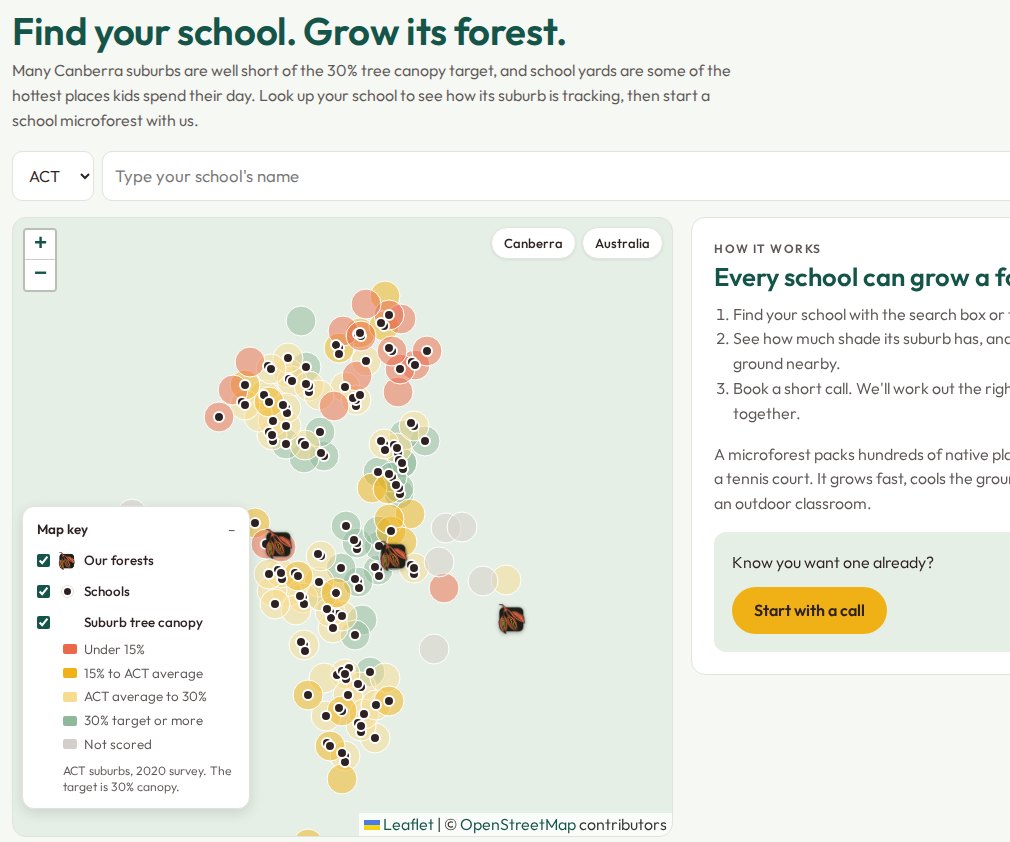
We're still backing the local leaders growing forests on public land. To help them, and every school, we've built free tools from government data. Check your park shows whether a park near you could grow a microforest. Find your school shows how yours could grow one.
Forests planted
2020
Downer, ACT. 1,800 plants
2021
Watson, ACT. 1,200 plants
2022
Holt, ACT. 1,500 plants
2023
Moruya, NSW. 1,500 plants
2024
Crestwood, NSW. 1,500 plants
2025
Gindilanwari, Dunlop, ACT. 1,500 plants
2026
Broulee, NSW, St Peter's Anglican College. 1,500 plants