Schools program

Grow a forest at your school

We help schools plant dense native forests with their students, and give them the guide, the grants and the curriculum to make it part of how they teach.

Teacher? Try a free Forest Lab lesson with your class.

Our first school forest

57 Year 4 students designed their own forest

At St Peter's Anglican College in Broulee, NSW, Year 4 students ran field trips, analysed their site, grew plants and drew their own forest designs. Together they're planting more than 1,500 native plants from the local coastal rainforest on 400 square metres, funded by the Wedgetail Foundation and their community.

The students will look after it through Years 5 and 6, and every Year 3 to 6 class after them will track how its wildlife changes. The project is a finalist for the Junior Landcare Award at the 2026 NSW Landcare Awards. Read the story in About Regional.

“St Peter's and Microforest Collective have come together to create a really special place that demonstrates the importance of reforestation, biodiversity and habitat, as well as providing a beautiful place for our students to connect with nature.”
Danielle Phillips, Year 4 teacher, St Peter's Anglican College
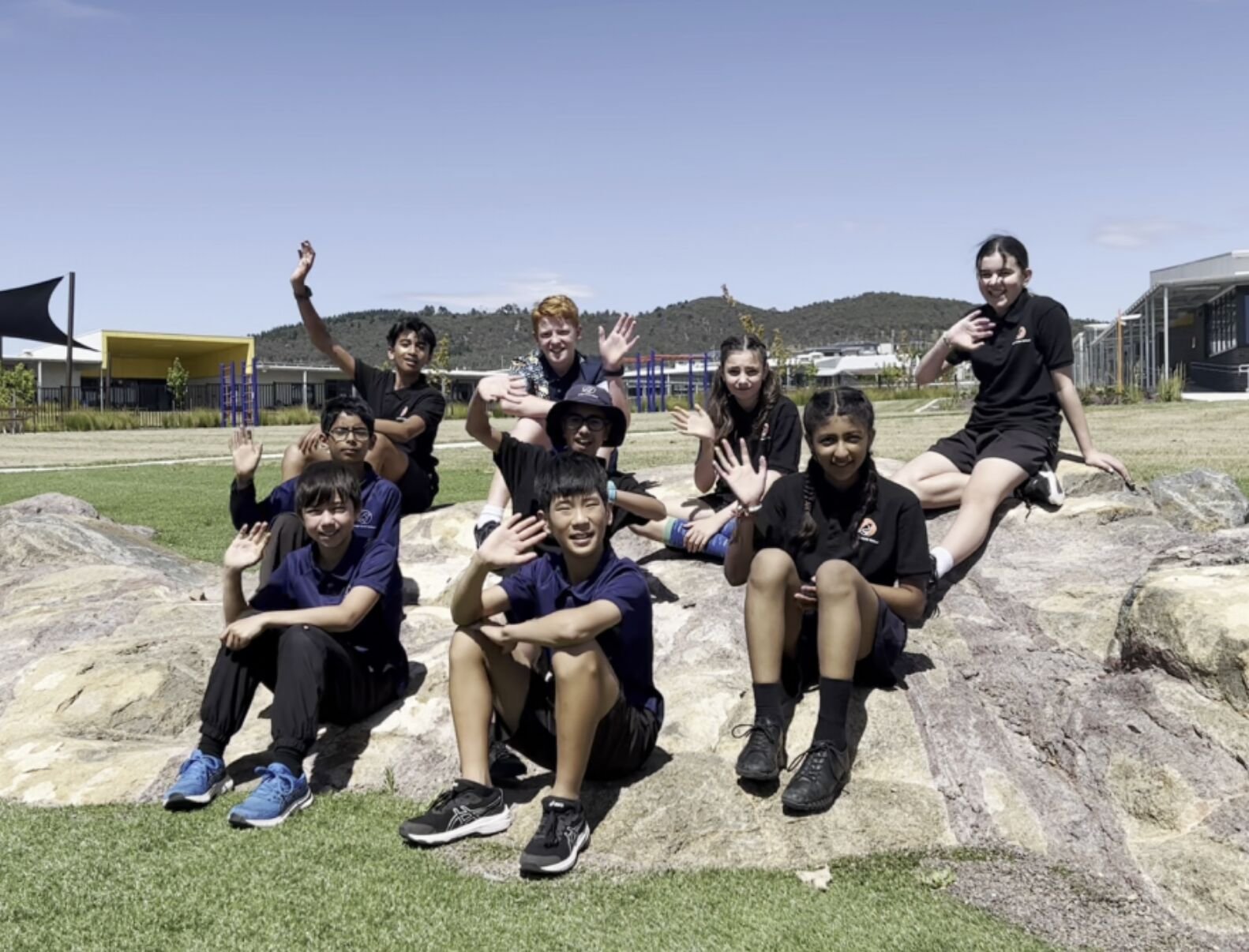
Evelyn Scott School students waving from the rocks on their school grounds
Evelyn Scott School students, Denman Prospect

The ACT's first school microforest

Evelyn Scott School, Denman Prospect

Evelyn Scott School was built around the ACT's Future of Education Strategy: inquiry-based learning, flexible spaces and students leading their own projects. A microforest fits right in. Students get a living place to investigate, measure and care for, right outside their classroom.

It builds on our Broulee pilot with Wedgetail, and is supported by Rotary Club of Canberra Sunrise, Capital Estate Developments and our founding partner, The Property Collective.

See the project


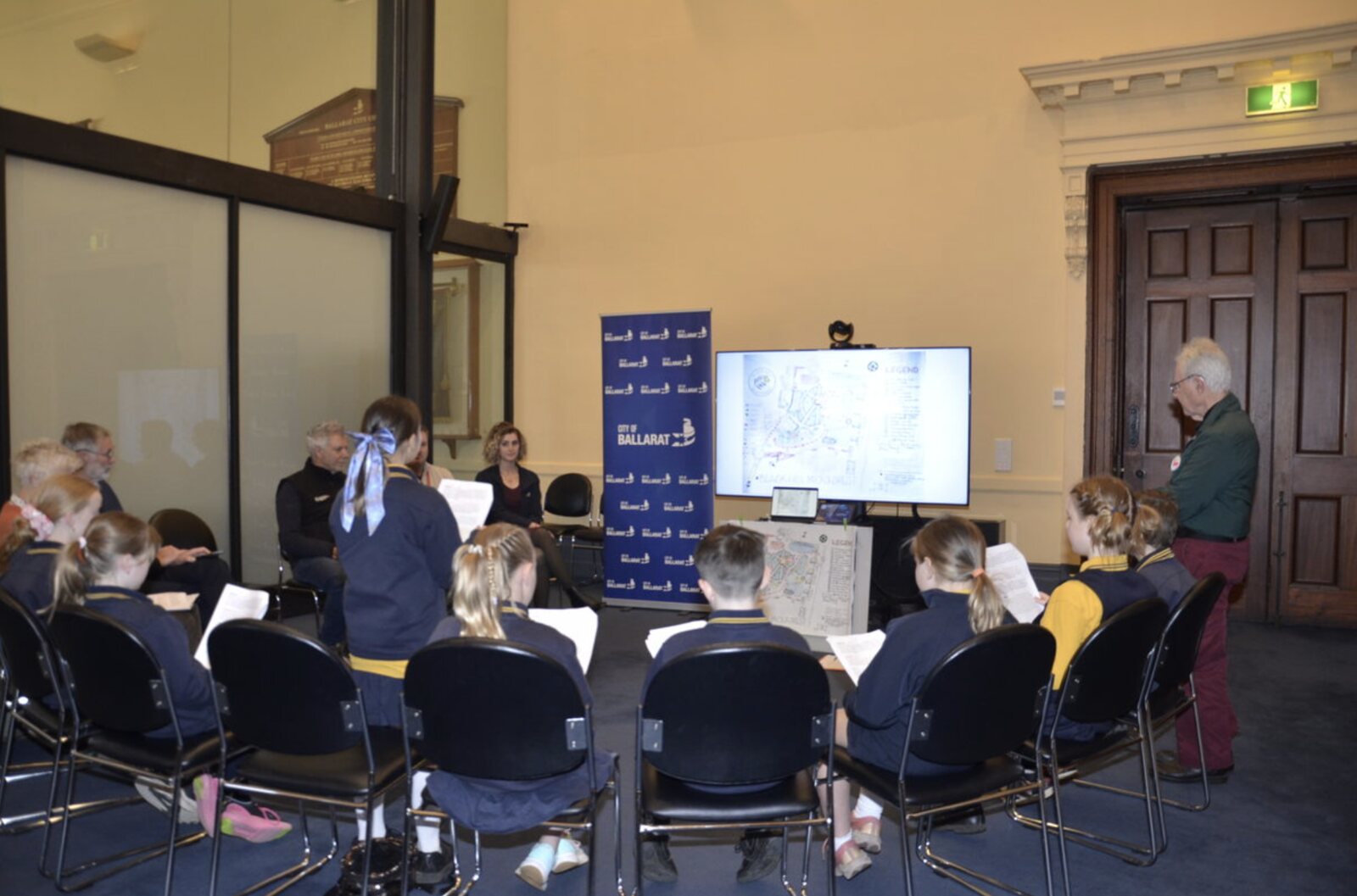
Students at Town Hall

Black Hill Primary School, Ballarat

Black Hill Primary School students drew up their own Microforest Master Plan for the vacant block their neighbourhood is turning into a microforest. In September 2026 they presented it to City of Ballarat staff at Ballarat Town Hall.

It's what our schools program is all about: students doing real design work for a real place in their community, and being heard by the people who decide.

Black Hill Primary School students presenting their Microforest Master Plan to City of Ballarat staff
Presenting the Master Plan to City of Ballarat staff. Photo: Evie Lamb, Ballarat Times

How it works

  1. 1

    Tell us about your school

    Send an expression of interest in about ten minutes, from any state. If your state's round isn't open yet, you'll hear from us first when it is.

  2. 2

    Talk it through

    We'll set up a call with your forest team to look at your site, your students and the way of working with us that suits your school.

  3. 3

    Plan and fund it

    Wayfinder walks your team through each step, with the grants, forms and templates you need. We design the forest with you and help you raise the money.

  4. 4

    Plant, then learn

    Your students help plant a dense native forest, then use it as an outdoor classroom for years to come.

Most school forests are planted in Term 2 or Term 3, when the soil is cool and damp. Allow two to three terms from your first call to planting day.

What we look for in a school

You don't need all of this on day one. Tell us where you're up to, and we'll help with the rest.

More than a planting day

Every school forest comes with the tools to make it part of how your school teaches.

Curriculum

Forest Lab lessons

A full-year Stage 2 (Years 3–4) program written with teachers: science, geography, literacy and maths, with three levels for every worksheet.

Student science

Forest Lab app

Students become forest scientists. They measure how the forest cools the yard, track its growth and count the wildlife that moves in, and record it all on a tablet.

Your project guide

Wayfinder

Step-by-step guidance, grants and forms for your team, from first conversation to planting day and beyond.

Ready to grow a forest at your school?

It takes about ten minutes. Prefer to talk first? Start with a call.

Not at a school? Lead a microforest in your community.

Run a business that could back a school forest? Partner with us.

Send an expression of interest

Follow along

New forests, schools coming on board and the people growing them.

News from the forests, in your inbox. Unsubscribe any time.